
From Novelty to Norm
A decade ago, geothermal was a bold choice. Early adopters like Camrost Felcorp, Shiplake Properties, and Windmill Developments took the risk — integrating geothermal heating and cooling infrastructure into new-build projects when most of the industry was still watching from the sidelines.
That gamble paid off. Geothermal has since become an industry standard in Toronto's high-density residential sector, initially aided by carbon-lowering regulations and lately accelerated by growing interest amongst institutional investors to decarbonize building portfolios. What was once a differentiator is now a baseline expectation.
But there's a meaningful difference between adopting geothermal as a compliance checkbox and building it into the DNA of how you develop at scale. The developers who are pulling ahead understand that distinction, and one of the earliest was Camrost.
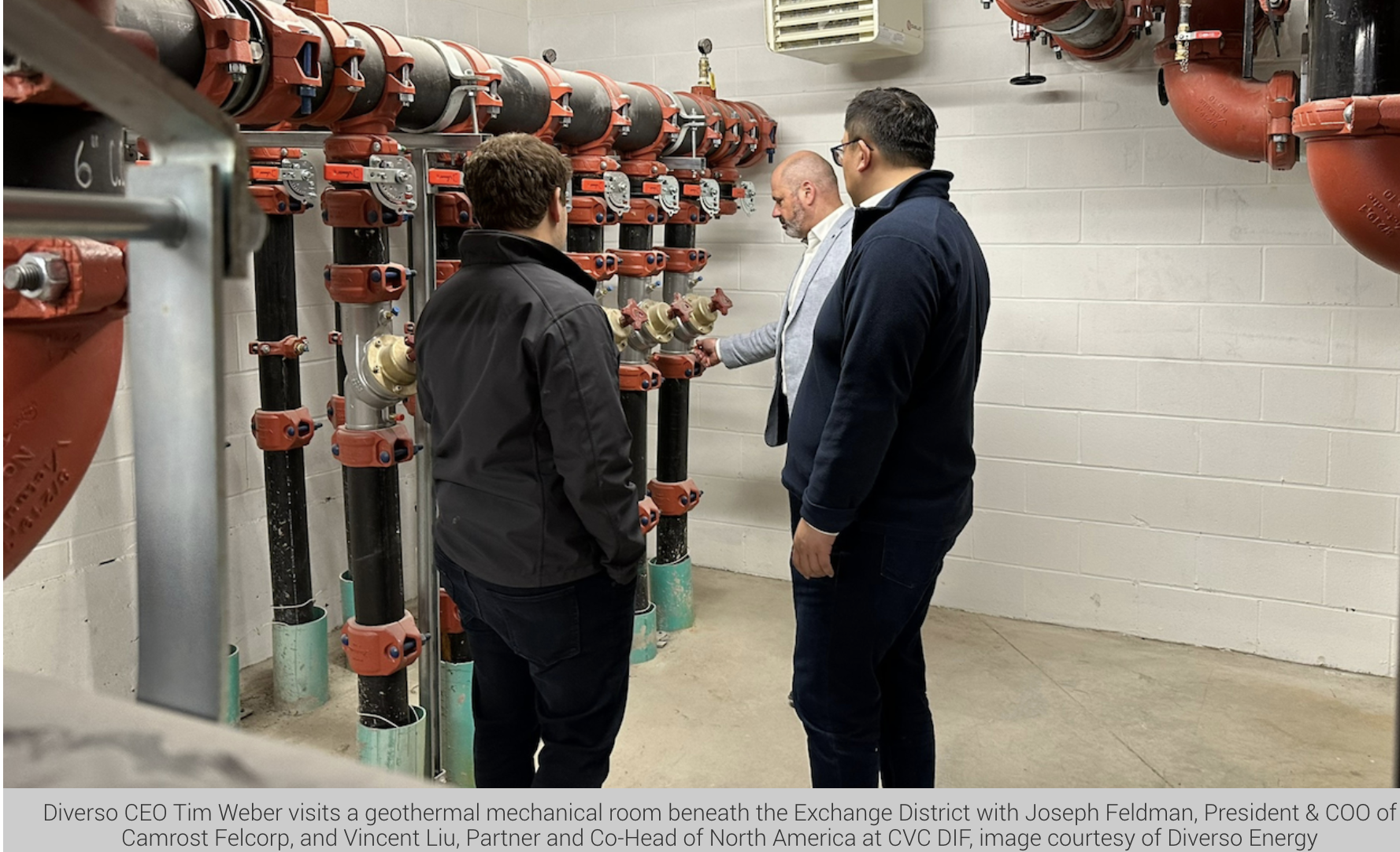
“For decades, developers relied on gas-powered HVAC systems as geothermal adoption was difficult with a high upfront cost and long-term operational risk,” says Joseph Feldman, President and COO, Camrost Felcorp. “Diverso has changed that for us, as their model offers a cost-effective and frictionless way to integrate sustainable energy into projects.”
The Portfolio Conversation
Like Camrost, many developers find that once they successfully integrate geothermal into one or two buildings, a set of very practical questions emerges. Do we want to own and manage 10 or 20 of these systems ourselves? What are the legal and liability implications of developer-owned geothermal infrastructure? How do we standardize this across a pipeline of 15 projects without reinventing the wheel each time?
For developers with pension backing, long-term rental strategies, or significant land holdings across the GTA, the answer increasingly points in one direction: a partnership model built for the long term.
This is where Diverso's Energy-as-a-Service (EaaS) model was purpose-built to fit. Rather than selling or installing geothermal systems, Diverso owns and operates them — functioning as a true utility partner over the 30 to 50-year life of the building. That model eliminates upfront capital cost for the developer, satisfies the arm's-length ownership requirements that most legal structures demand, and aligns the incentives of both parties over decades, not just at commissioning.
What Partnership Looks Like in Practice
Camrost’s Exchange District in Mississauga offers a concrete illustration. The award-winning masterplanned community includes North America's tallest geothermal condominium, EX3 Condos.
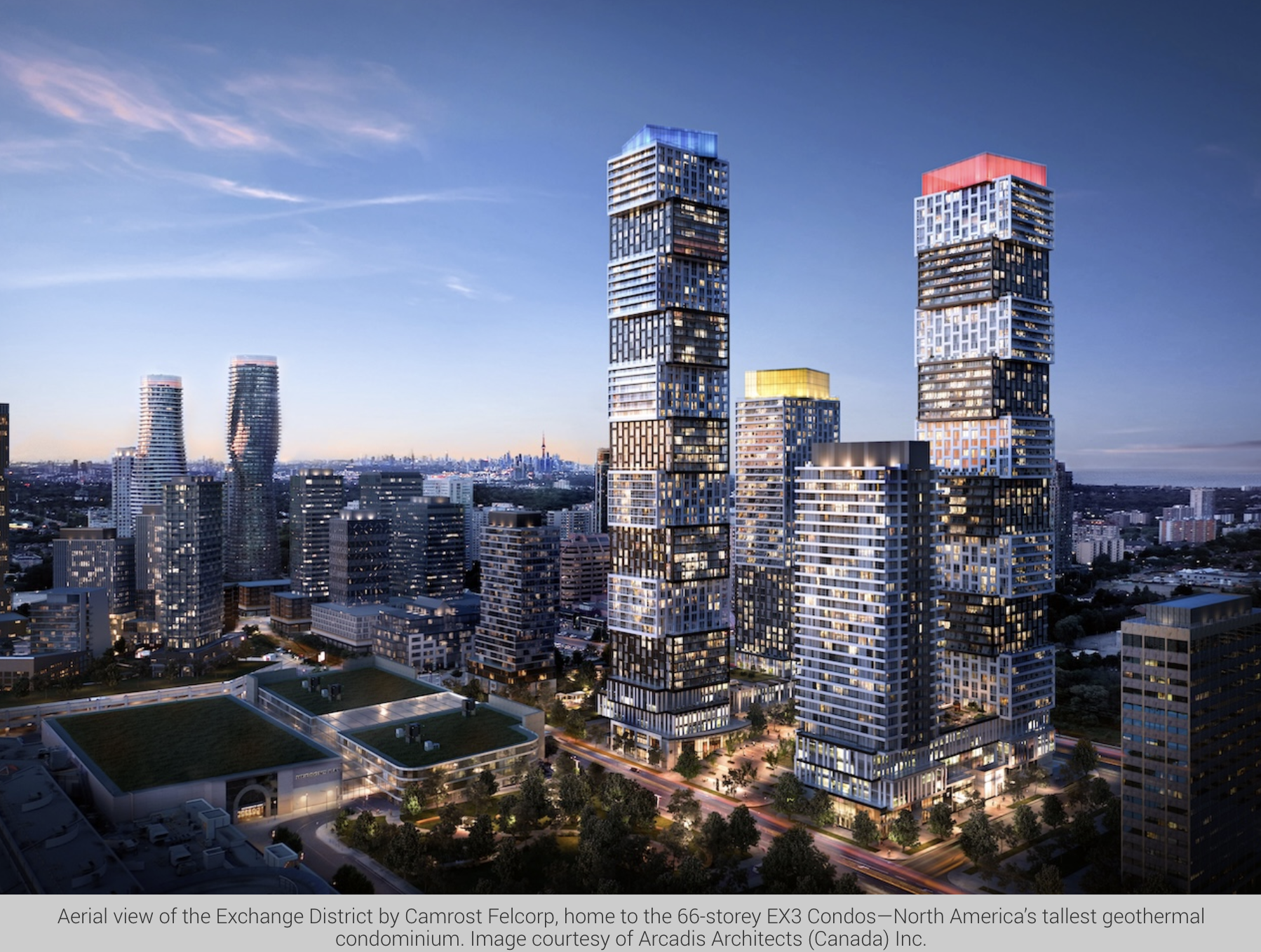
Residents are projected to see more than $4 million in direct energy savings over 30 years — without any visible difference in their day-to-day experience. The carbon footprint shrinks. The cost profile improves. The building performs better against the criteria that institutional buyers increasingly apply when evaluating assets.
Camrost’s Feldman explains, “When we started with geothermal, it was about doing the right thing for the building and for the city. What we’ve learned over time is that it’s also just good business. The buildings perform better, they’re more attractive to institutional capital, and having a long-term partner who owns and operates the system takes a significant operational burden off our plate. We’re not in the business of running an energy utility — Diverso is.”
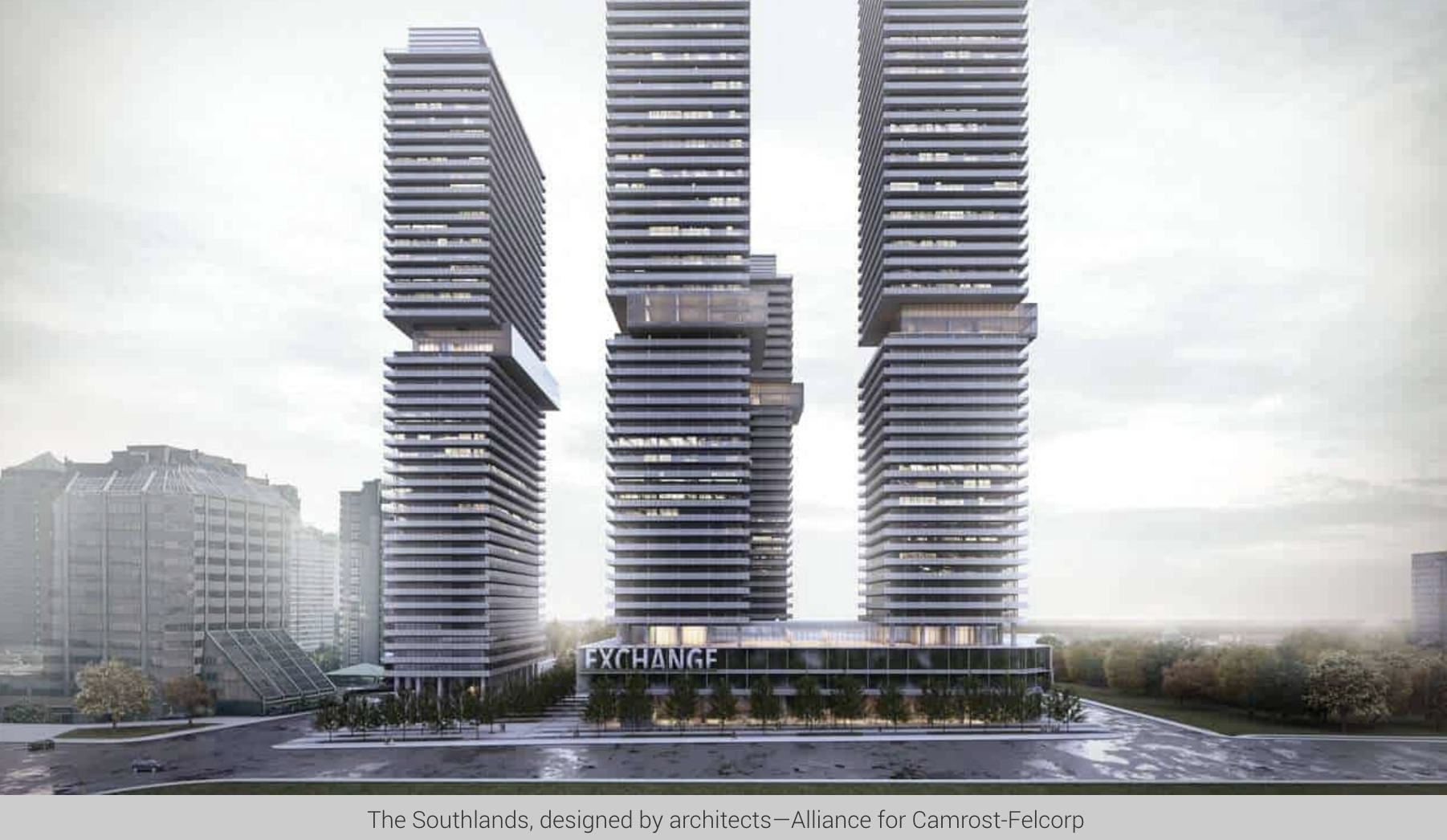
The partnership shows no signs of slowing as Diverso will play a role in the four towers recently announced as part of next-phase The Southlands project at Exchange District.
Future-Proofing the Portfolio
There's a harder-nosed financial logic driving this shift that goes beyond operating savings. The ultimate buyers of Toronto's rental assets — pension funds and large institutional investors — are increasingly explicit: they no longer want to acquire carbon-intensive buildings. Low-carbon properties are increasingly seen as more liquid, more financeable, and more desirable than ones that carry transition risk.
That calculus is changing how developers think about geothermal — not as a sustainability line item, but as a fundamental asset quality decision. The Mattamy joint venture Diverso announced last year, building zero-gas subdivisions with no construction timeline impact and no additional cost to homeowners, points toward what portfolio-scale decarbonization can look like when properly structured.
Toronto is at an inflection point. The developers who built geothermal into a few pilot projects are now asking what it looks like to build it into their next twenty. That's the conversation Diverso was built for — and it's the conversation that will define how this city heats and cools its buildings for the next half-century and beyond.
By Tim Weber, Co-Founder, Partner, and CEO of Diverso Energy, North America’s only fully vertically integrated geothermal utility company, with over 300 completed projects across Canada.