
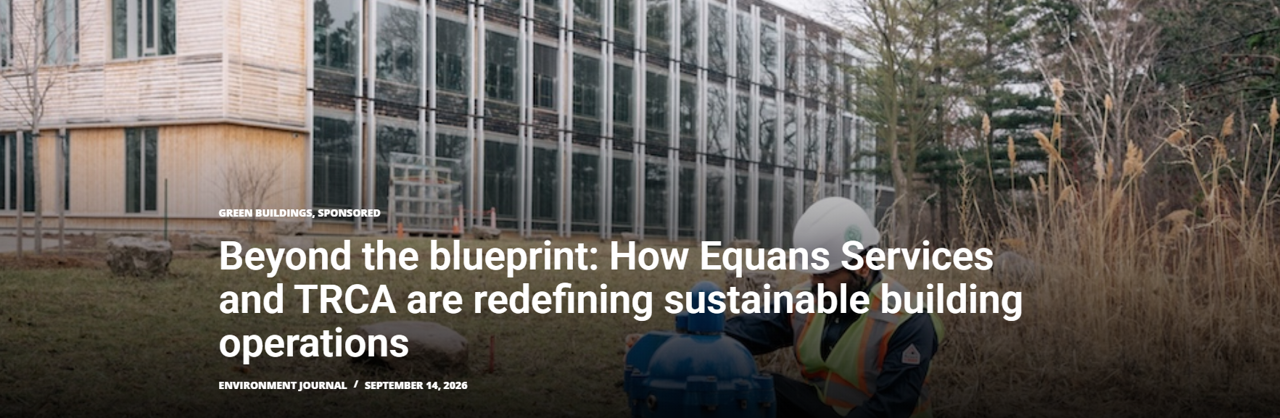
A Building Designed for a Low-Carbon Future
TRCA’s headquarters was conceived as a showcase of sustainable construction and environmental stewardship. Built using a hybrid wood-and-concrete structure, the facility significantly reduces embodied carbon while providing a modern, healthy and resilient environment for its occupants. The building incorporates numerous sustainable design features, including solar chimneys, radiant heating and cooling systems, water-management infrastructure and extensive daylighting strategies. It has earned the Zero Carbon Building Design Certification and the Ontario Embodied Carbon Award for New Construction, while also pursuing LEED Platinum and WELL certifications.
At the heart of the facility’s environmental strategy is an advanced open-loop geothermal heating and cooling system. By drawing on the earth’s stable underground temperatures, the system provides efficient year-round heating and cooling while reducing reliance on conventional energy sources. Compared with traditional HVAC systems, this approach improves energy performance by approximately 15 to 20 percent.
The geothermal infrastructure demonstrates how innovative technologies can significantly reduce a building’s environmental footprint. However, technology alone does not guarantee performance. Long-term success depends on how these systems are managed, monitored and maintained.
The Hidden Complexity Behind Sustainability
While visitors immediately notice the building’s striking architecture and abundant natural light, much of its most critical infrastructure remains hidden from view.
Beneath the raised access floors on every level lies a sophisticated network of geothermal equipment, including valves, filters and controls that regulate the building’s heating and cooling systems. Routine inspections and maintenance require specialized technicians to carefully access these hidden systems while ensuring uninterrupted building operations.
This behind-the-scenes work illustrates a reality often overlooked in discussions about sustainable buildings. According to Pierre Loyer, Executive Vice-President of Business Development at Equans Services, “high-performance infrastructure requires high-performance operations. Even the most advanced technologies can only deliver their full environmental benefits when they are continuously monitored, maintained and optimized throughout their lifecycle.”
Equans Services oversees this complex ecosystem through a proactive maintenance approach that combines technical expertise, preventive maintenance programs and continuous system monitoring. The objective is not only to keep equipment operational but to ensure that every component performs at its highest level of efficiency throughout its lifecycle.
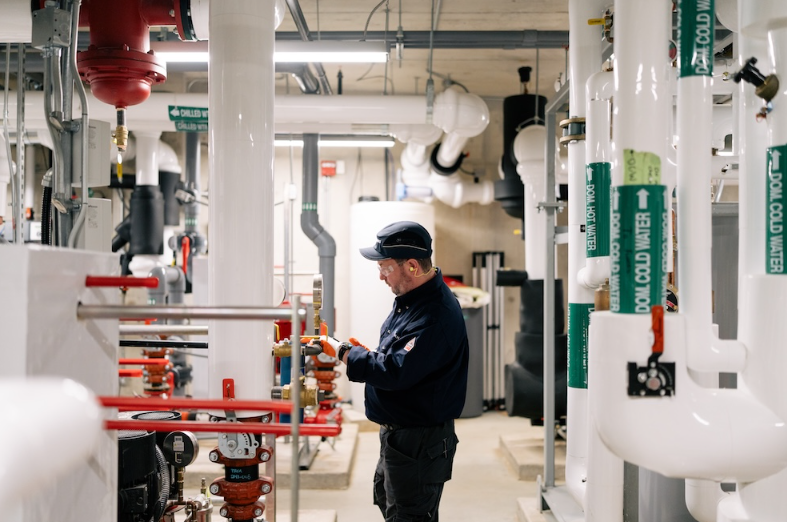
Image via Equans Services
When Buildings Become Intelligent
The TRCA headquarters demonstrate that sustainability is increasingly linked with digital intelligence.
A sophisticated Building Automation System (BAS) serves as the building’s operational nerve centre, connecting and coordinating key systems throughout the facility. Through real-time monitoring and automated control, the platform continuously optimizes building performance while balancing occupant comfort and energy efficiency.
One of the most visible examples of this technology can be seen in the building’s automated window blinds. With expansive glass façades and large skylights designed to maximize natural daylight, managing solar gain and occupant comfort becomes essential. Rather than relying on manual adjustments, the automated blinds respond dynamically to changing sunlight and weather conditions.
As daylight levels fluctuate throughout the day, the system automatically adjusts shading to reduce glare, improve occupant comfort and optimize energy performance. What appears effortless from the occupant’s perspective is actually the result of sophisticated building intelligence operating continuously in the background.
This approach reflects a broader evolution in sustainable building management. Modern facilities are no longer static structures. They are increasingly dynamic, data-driven environments capable of adapting to changing conditions in real time.
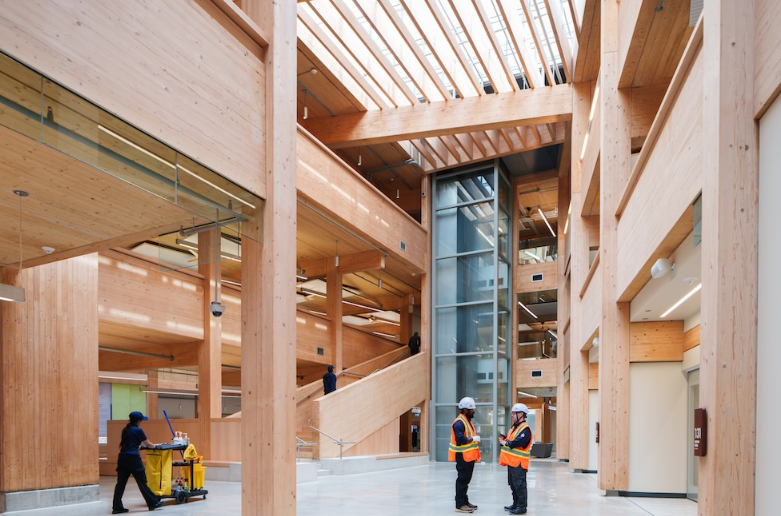
Image via Equans Services
A Model for the Future
As organizations worldwide pursue decarbonization and environmental resilience, the TRCA headquarters offers an important lesson: sustainable buildings cannot rely on design alone.
“A building’s environmental ambition – whether defined at its design stage or earned later through transformation – is ultimately measured over decades of operation. The next frontier of sustainable development therefore lies not only in creating low-carbon assets, but in developing the operational intelligence required to preserve, measure, and continually improve their performance”, added Pierre Loyer.
True sustainability emerges from the intersection of innovative architecture, advanced technologies and operational excellence. The building’s geothermal infrastructure, intelligent automation systems and low-carbon construction provide the foundation. Equans Services’ expertise in integrated facility management and building automation systems ensures those systems continue to perform as intended.
Together, TRCA and Equans demonstrate what the next generation of high-performance buildings can achieve. Their partnership shows that environmental leadership is not only about building sustainably but also about operating sustainably, every day, for the long term.
In an industry increasingly focused on reducing emissions and maximizing efficiency, the TRCA headquarters stands as a powerful example of how intelligent design, advanced technology and expert operations can work together to create a more sustainable built environment.