
Article published in the Calgary Herald Opinion piece on April 11, 2026 by Haukur Hardarson.
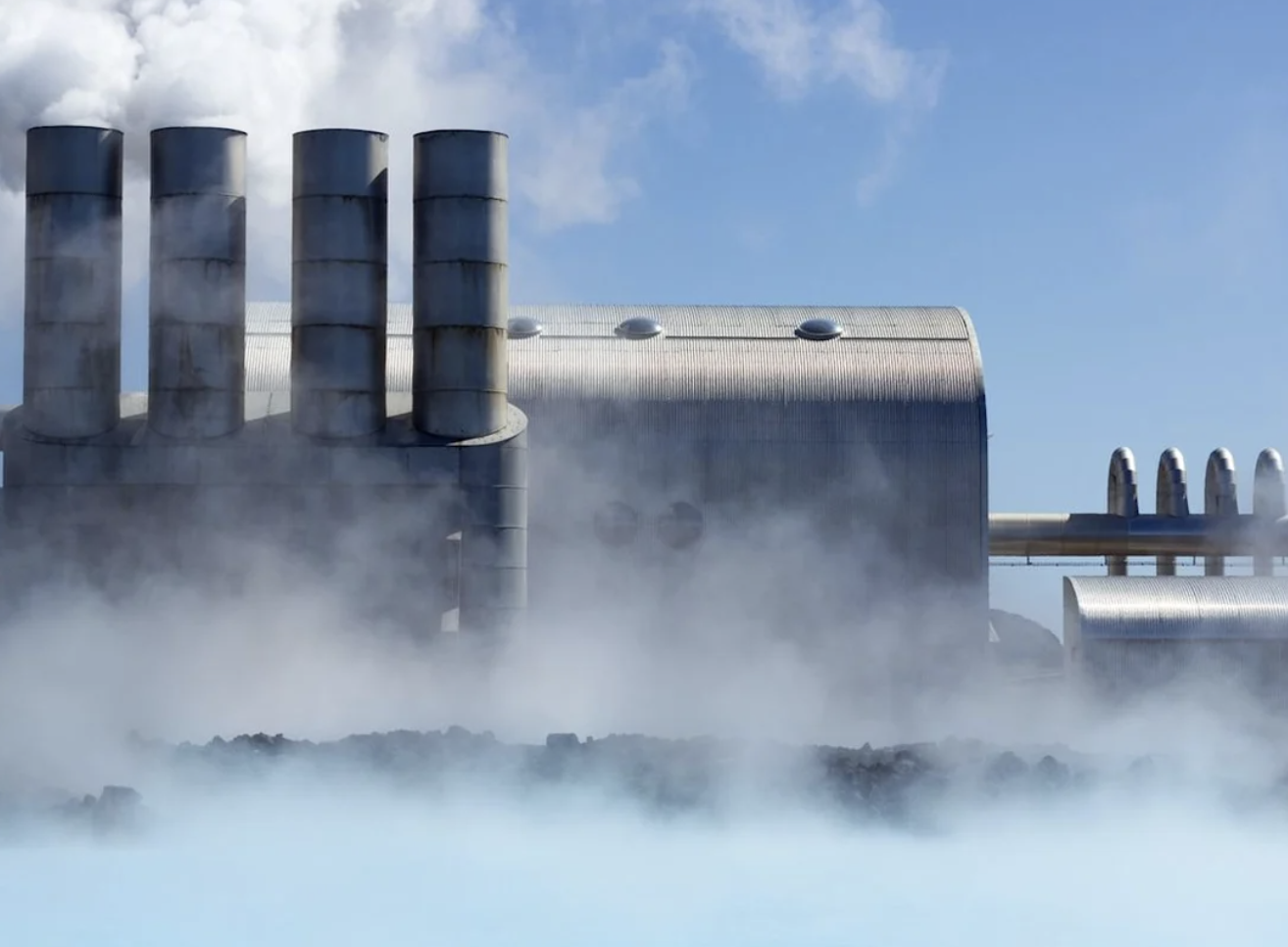
Iceland transformed its energy system by investing in geothermal infrastructure. Today, about 90 per cent of Icelandic homes are heated with geothermal energy. Picutred is a geothermal plant in that country. Getty Images. (Credit:danielsnaer)
In June this year, Calgary will host the World Geothermal Congress, bringing global attention to a resource that could play a significant role in the province’s energy future. At a time of rising geopolitical tensions and fossil-fuel supply uncertainty, it is also an opportunity to rethink how energy is produced, delivered and secured.
While much of the energy debate still focuses on oil, gas and electricity, one of the largest and most vulnerable parts of the system remains overlooked: heating and cooling.
Heating and cooling account for roughly half of global energy consumption, yet more than 80 per cent of this demand remains fossil-fuel based. In Canada, space heating and water heating represent more than 60 per cent of residential energy use, much of it provided by natural gas.
This reliance creates a structural vulnerability.
Even as a major energy producer, Alberta’s thermal systems remain exposed to price volatility, infrastructure constraints and long-term emissions pressures. Like many countries, forward-looking policy and investment continue to focus on electricity, leaving these systems fragmented, underdeveloped and largely absent from energy security planning. This is where the conversation must shift.
Geothermal energy offers a fundamentally different model: infrastructure rather than fuel. By tapping stable underground temperatures, geothermal systems provide reliable, long-term heating and cooling, immune to transport disruptions and price shocks.
In practical terms, this replaces recurring fuel costs and exposure to global markets with long-life domestic assets that stabilize energy prices and strengthen resilience. With a minimal land footprint, geothermal can also be deployed seamlessly within cities, integrating into buildings, district energy networks and industrial operations. Critically, it builds on some of Alberta’s greatest strengths.
As one of the world’s leading oil and gas regions, Alberta has decades of expertise in drilling, subsurface engineering and large-scale infrastructure. These capabilities translate directly to geothermal development. Globally, up to 80 per cent of geothermal project investment overlaps with technologies, equipment and skills already standard in the oil and gas sector.
This creates a powerful pathway for economic diversification and enhanced energy security, leveraging existing expertise instead of replacing it. For Alberta’s workforce and energy sector, geothermal represents an opportunity to extend core capabilities into new markets, repurpose infrastructure and accelerate project development.
International experience shows what is possible.
Iceland transformed its energy system following the oil shocks of the 1970s by investing in geothermal infrastructure. Today, about 90 per cent of Icelandic homes are heated with geothermal energy, contributing to both energy independence and long-term price stability.
China offers a more recent case. The country has rapidly expanded geothermal district heating, particularly in northern regions. Systems now serve over 120 million square metres across more than 70 cities, replacing coal and improving air quality and public health for millions of people.
As energy systems evolve, reliability is becoming more complex. Wind and solar are indispensable to decarbonization, but their variability requires complementary solutions. Geothermal plays a critical role by providing continuous, weather-independent thermal energy, particularly in sectors where demand cannot simply be switched off. In this sense, geothermal complements rather than competes with other renewable technologies.
Yet, policy frameworks have not kept pace. Heating and cooling remain underdeveloped in both planning and financing. Closing this gap will require integrating geothermal into urban energy planning, expanding district energy systems and adopting financing models that treat geothermal as long-term infrastructure rather than short-term energy supply.
With the World Geothermal Congress coming to Calgary, Alberta has a timely opportunity to begin moving from potential to deployment.
In a rapidly changing global landscape, energy security will increasingly be defined by the resilience of the systems that deliver energy in the first place. Alberta, and Canada more broadly, have both the resource base and technical expertise to lead.
Haukur Hardarson is the founder and chairman of Arctic Green Energy and vice-chairman of Sinopec Green Energy, the world’s largest and fastest-growing geothermal heating and cooling company.